




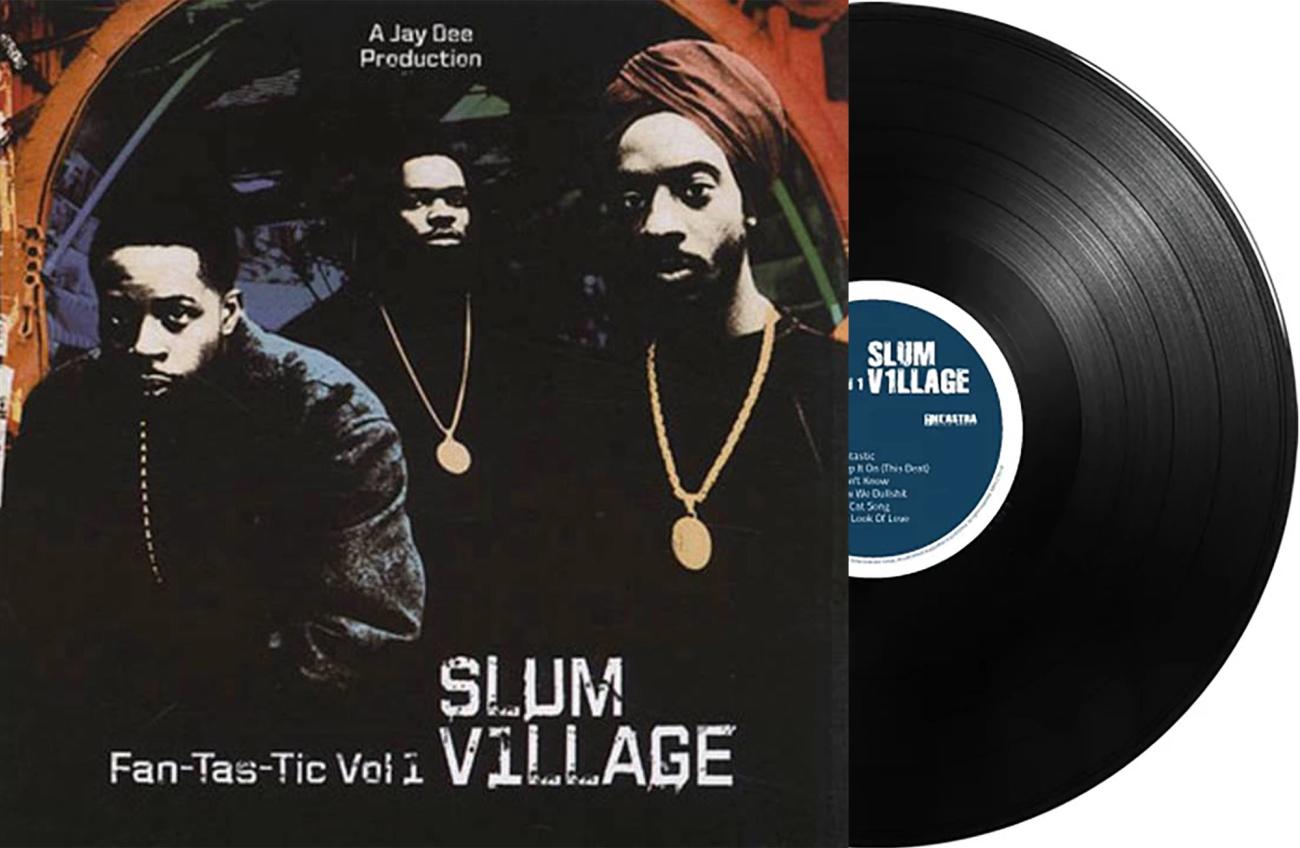


Slum Village
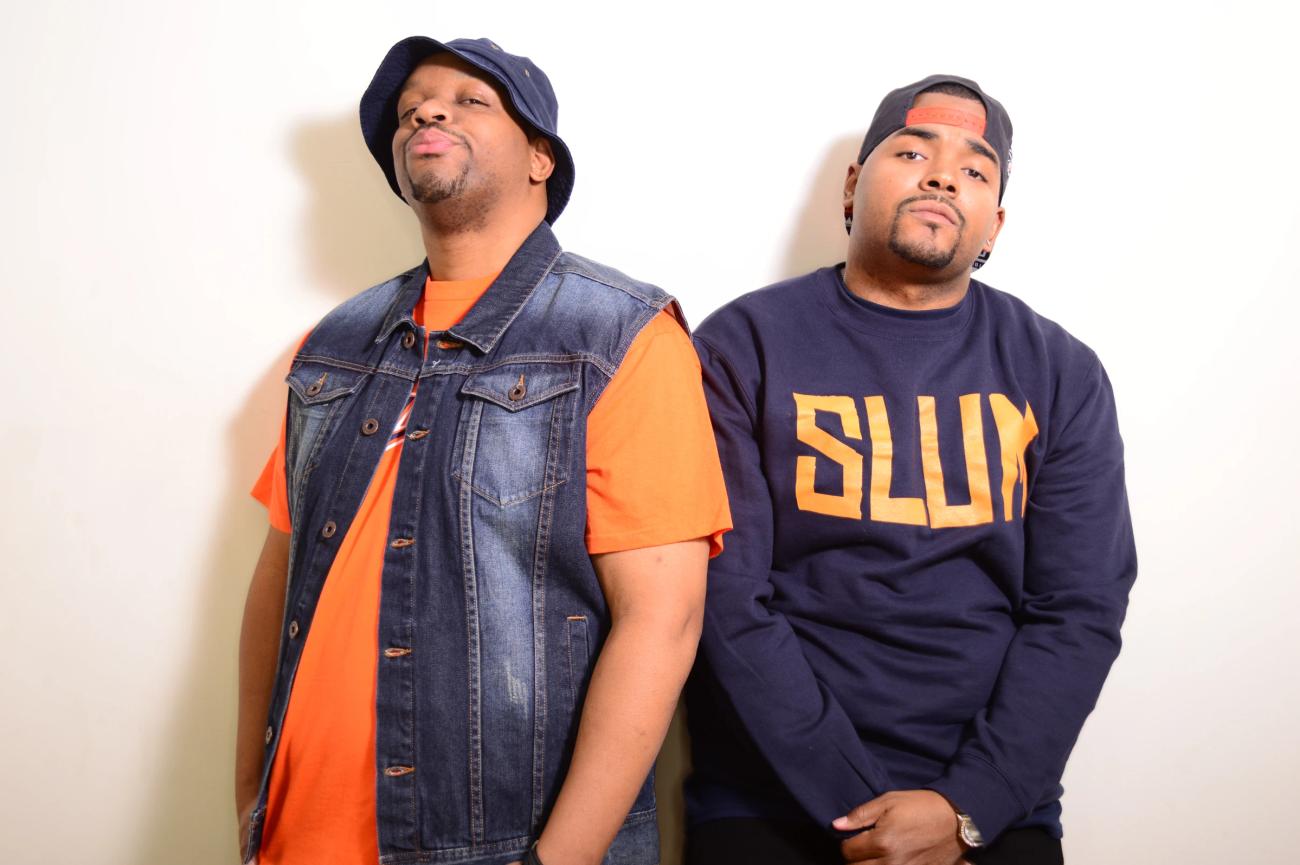
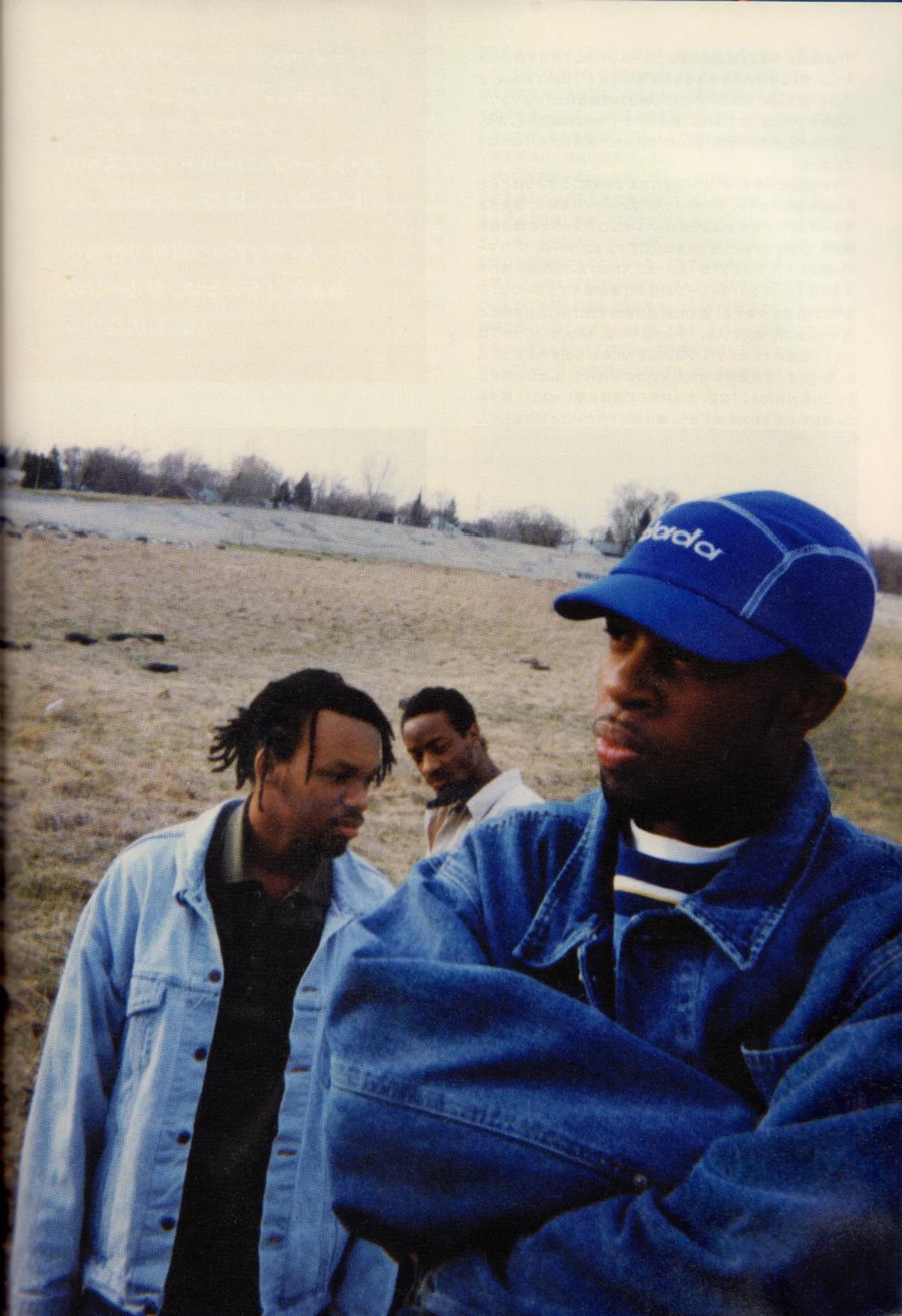
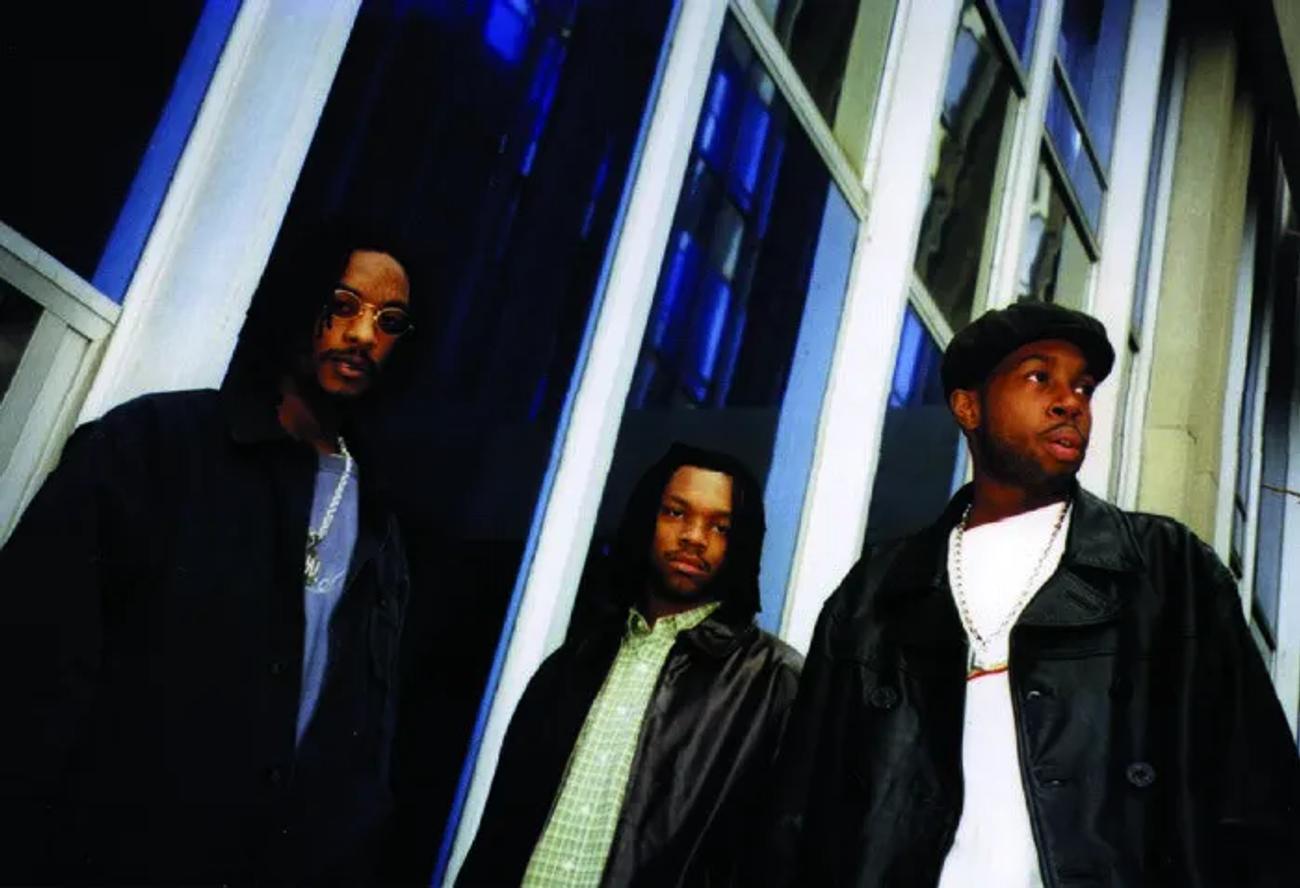
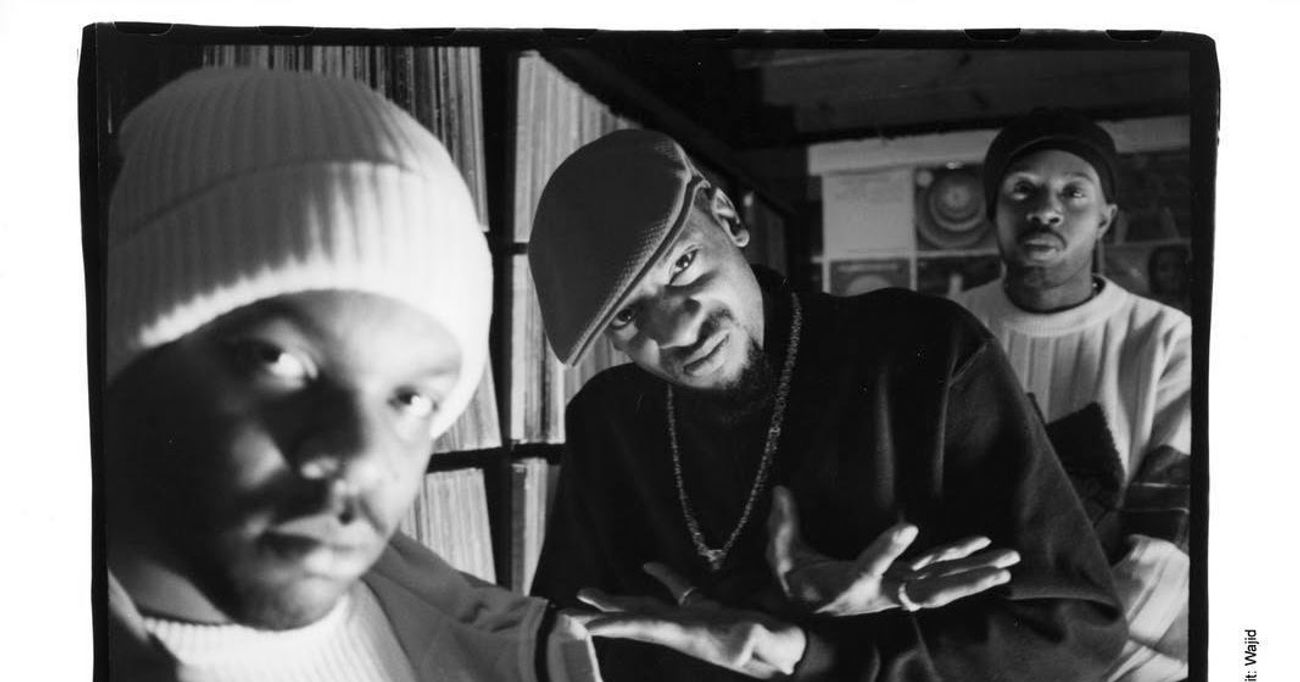
Slum Village emerged from Detroit's Conant Gardens neighborhood in the mid-1990s, founded by childhood friends T3, Baatin, and James "J Dilla" Yancey — three Pershing High School classmates who had been trading rhymes and beats since their teens. Their 1997 debut Fan-Tas-Tic (Vol. 1), recorded largely in Dilla's basement, circulated as one of the most heavily bootlegged tapes in underground hip-hop history, drawing the attention of Q-Tip, who passed it to Questlove, D'Angelo, Busta Rhymes, and the broader Soulquarians collective. By 1998, the group was opening for A Tribe Called Quest's farewell tour, with Q-Tip publicly anointing them the heirs to Tribe's jazz-inflected sound.
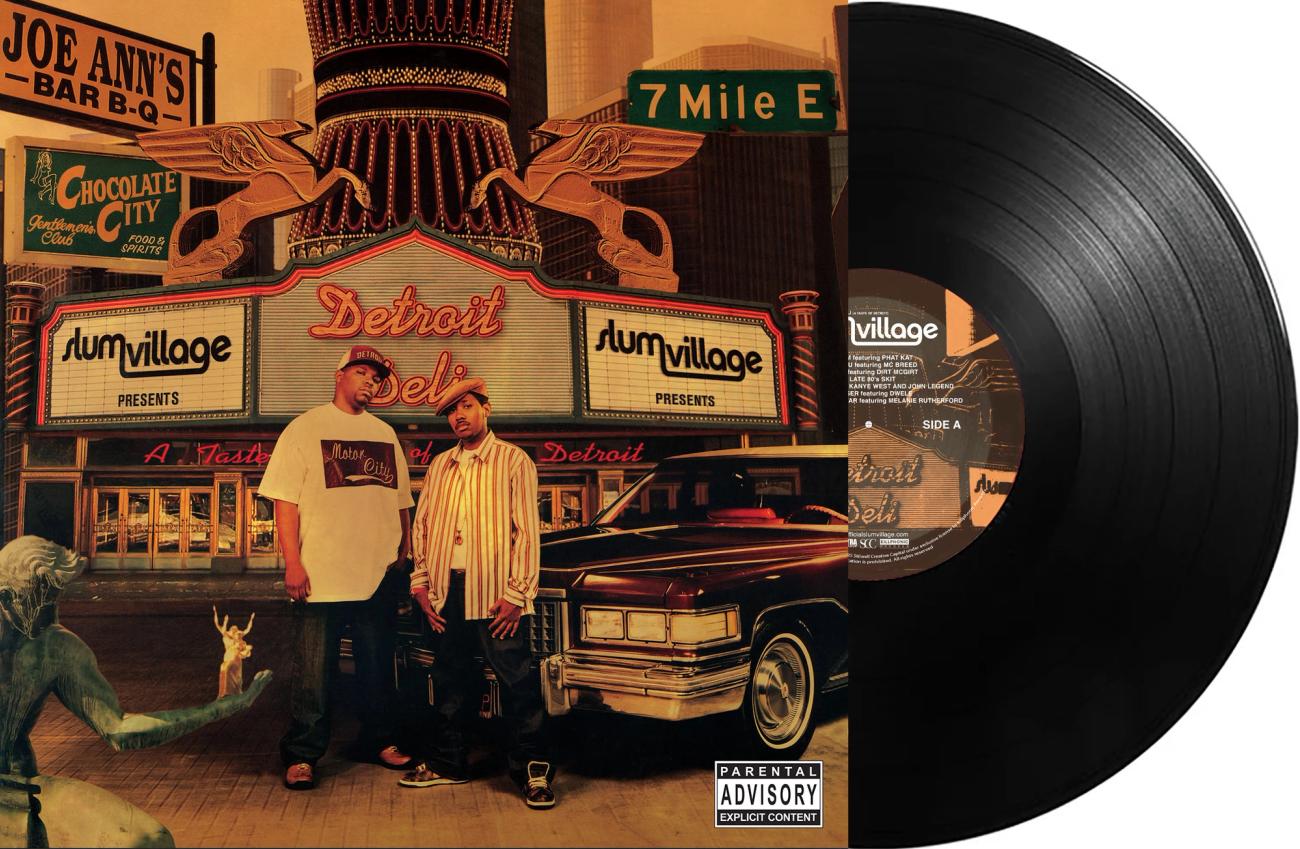
The group's 2000 follow-up, Fantastic, Vol. 2, is widely considered a landmark — a record that crystallized J Dilla's signature production aesthetic of swung, off-grid drums, soul-drenched samples, and harmonic warmth, an approach that has since shaped a generation of producers from Kanye West and Pharrell to Flying Lotus and Robert Glasper. Subsequent albums Trinity (Past, Present and Future) (2002) and Detroit Deli (A Taste of Detroit) (2004) expanded the group's reach, the latter yielding the Kanye West–produced single "Selfish" featuring John Legend.
Though marked by tragedy — J Dilla's death from lupus in 2006 at age 32 and Baatin's passing in 2009 — Slum Village's catalog has only grown in cultural stature. Billboard has named them among the 50 Greatest Rap Groups of All Time, and their influence on the sonic vocabulary of modern hip-hop, R&B, and beat music is difficult to overstate. The four records at the heart of their early run remain foundational texts of the genre and the connective tissue between Detroit's underground and hip-hop's broader artistic canon.